Breaking down complex information to help others is in the DNA of senior journalism student Jonathan R.M. Charles. His ability to turn scientific and technical issues into human-interest stories began as a teen trying to help his mother gain U.S. citizenship.
His talent for simplifying information to help others learn is evident in a recent article that is making an impact worldwide. The story, focusing on the hidden health crisis following natural disasters caused by mold growth in homes, was recently published internationally by CBS News via KFF Health News. Through narratives, data and imagery, it explains how harmful fungus can persist after storms, leaving residents at risk of inhaling spores and allergens that can trigger respiratory and other long-term health issues.
The story has been viewed by millions worldwide and translated into other languages.
For Charles, knowing that his work is helping people understand a critical issue, even when they don’t speak English, is a full-circle moment.
The Power of Words
In his early teens, he coached his mother as she prepared for the U.S. citizenship civics test, several years after she migrated from Haiti as a young adult. Charles was learning about American society and government in middle school while also overcoming language barriers. He brought home the lessons and terminology he learned in school to help his mother, who raised him on her own and supported the household by working in nursing.
“English is not my first language. Creole is. I also spoke French,” Charles said. “So, growing up in America was difficult at first, and on top of all that, I had to find my voice.”
After gaining confidence in his language skills, Charles developed an interest in storytelling and wanted to help others benefit from the power of words and communication. He began learning about media and joined a television program in eighth grade. He later gained hands-on experience in photography and videography through high school and community opportunities.
“I started to think about the impact I could have on other people,” he said. “It became important to me to build the ability to tell stories in the English language.”
Despite his passion, Charles says he felt cultural pressure to pursue a more traditionally accepted career path and initially decided to attend Florida A&M University as a psychiatry major to stay in line with the health and science field, which his family considered a stable profession. During freshman orientation, however, a conversation with the program dean changed his trajectory.
“Why are you here?” The dean asked after learning of his interest in filmmaking, media and visual communication. This question inspired Charles to change his major to journalism.
Charles readily demonstrated the tenacity required by the media profession. When he first came to campus, he was in a cast following an injury that halted his high school track and field career as a top-ranked runner. Determined to return to the sport, he approached the FAMU Athletics department and pitched himself to the coaching staff – in true storytelling fashion.
“I know I’m in a cast right now, but I believe I am going to get out of it soon, before the summer ends,” he said.
He eventually earned a tryout and joined the Rattlers track team. That moment marked a turning point, reinforcing his confidence in using his voice to advocate for himself and others. He carried that confidence into involvement with campus organizations, programs, and internships locally and nationally.
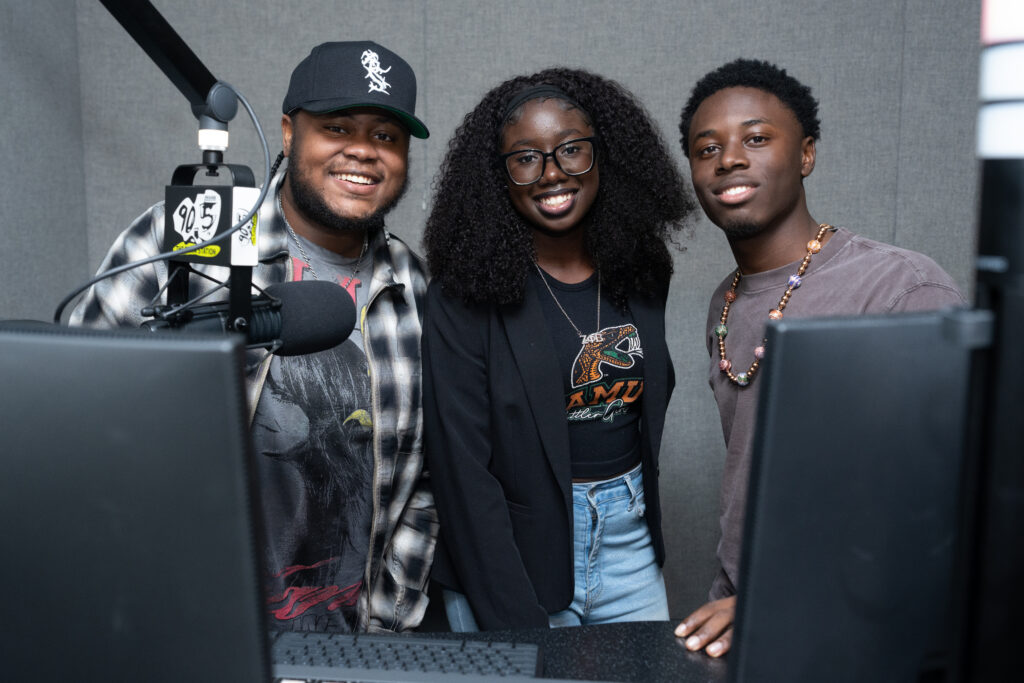
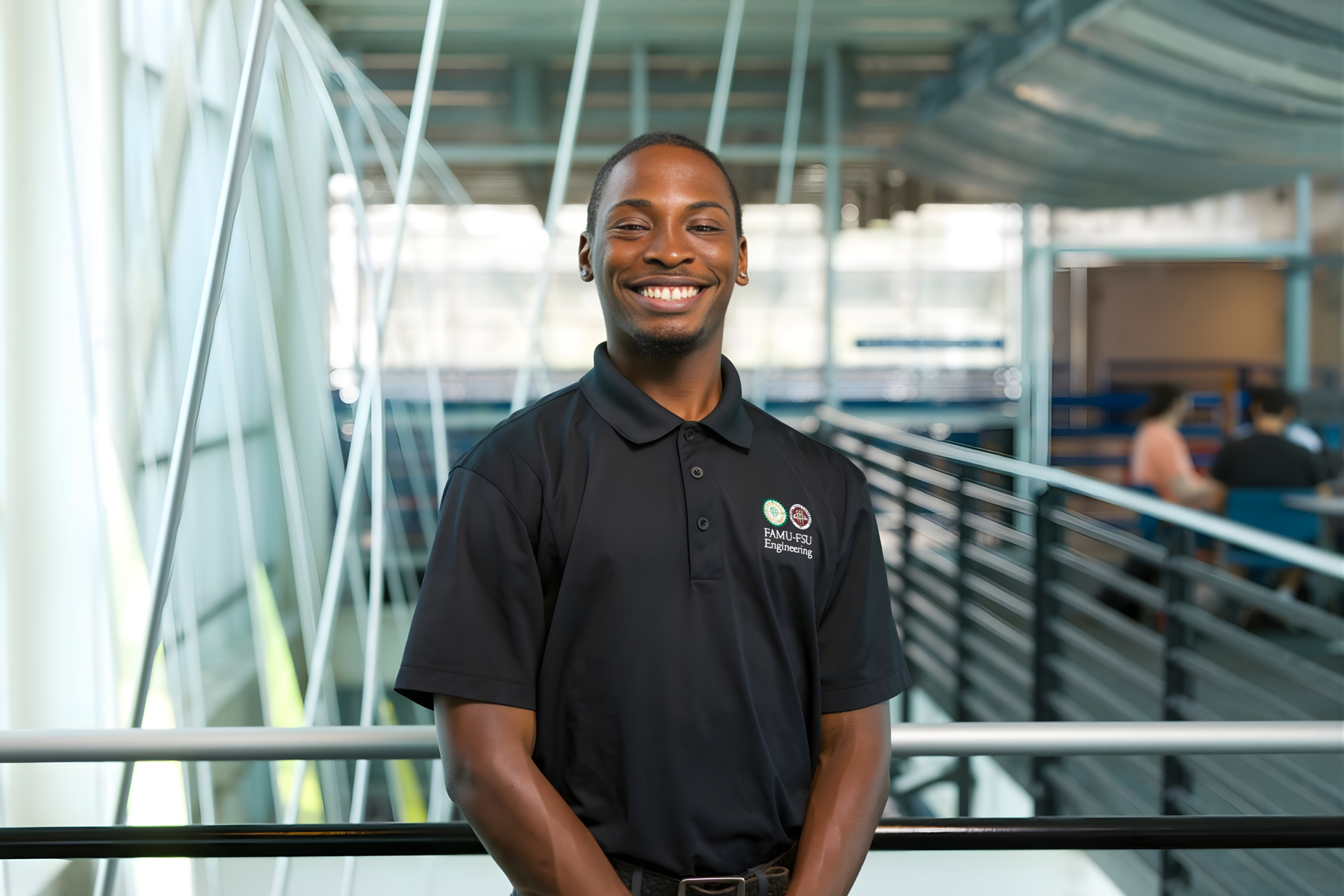
As a student in the FAMU School of Journalism & Graphic Communication (SJGC), Charles has contributed his visual content and marketing skills to the school’s digital platforms, student media (WANM-FM 90.5, The FAMUAN, and Journey Magazine), and the FAMU-FSU College of Engineering, where he married his passion for science storytelling with multimedia content.
As he continued to develop his multi-faceted storytelling skills, he emerged as a finalist for two cohorts of the Entertainment Industry College Outreach Program, attended the National Association of Science Writers Conference, participated in the Thurgood Marshall College Fund DevCon professional development conference, and served as a member of the TEDxFAMU organizing team. He’s also given back to the next generation already as a member of The Sankofa Kinship Big Brother Little Brother Mentoring Program, where he has served as media chair.
The Makings of an Innovator
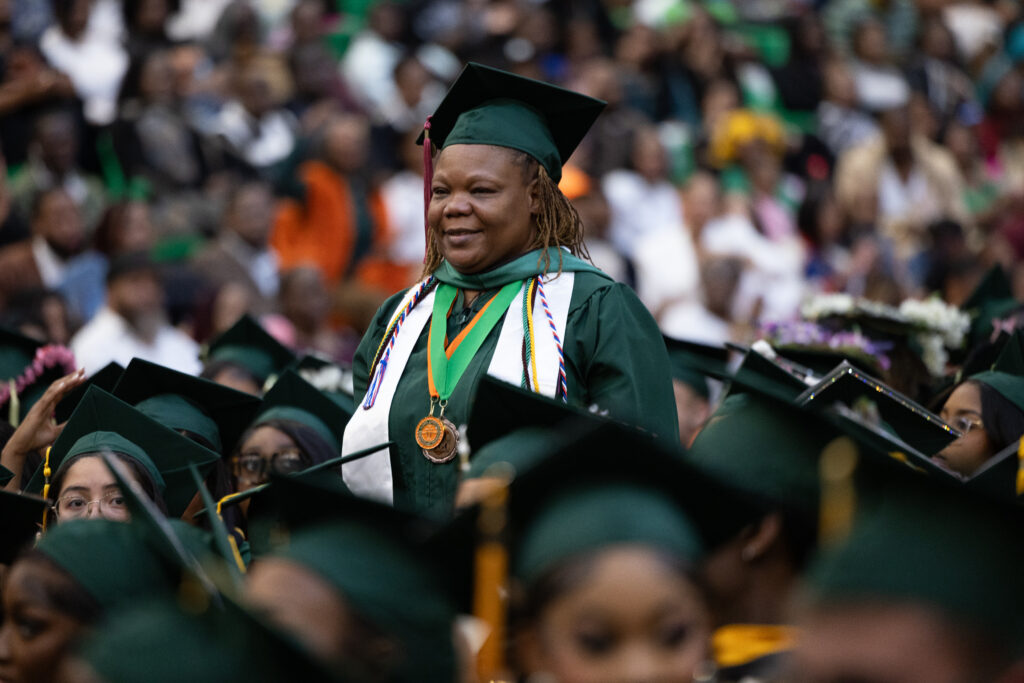
Charles will graduate later this year, becoming the first in his family to earn a four-year degree in the United States. His career, however, is already well underway.
His viral story, originally published in November 2025, continues to be widely read and republished across platforms in multiple states and countries. Its estimated reach is over 200 million and counting. The article was developed through Charles’s participation in the HBCU Science Journalism Fellowship, a component of the Knight Science Journalism Program at MIT. He was selected for the inaugural cohort in 2024.
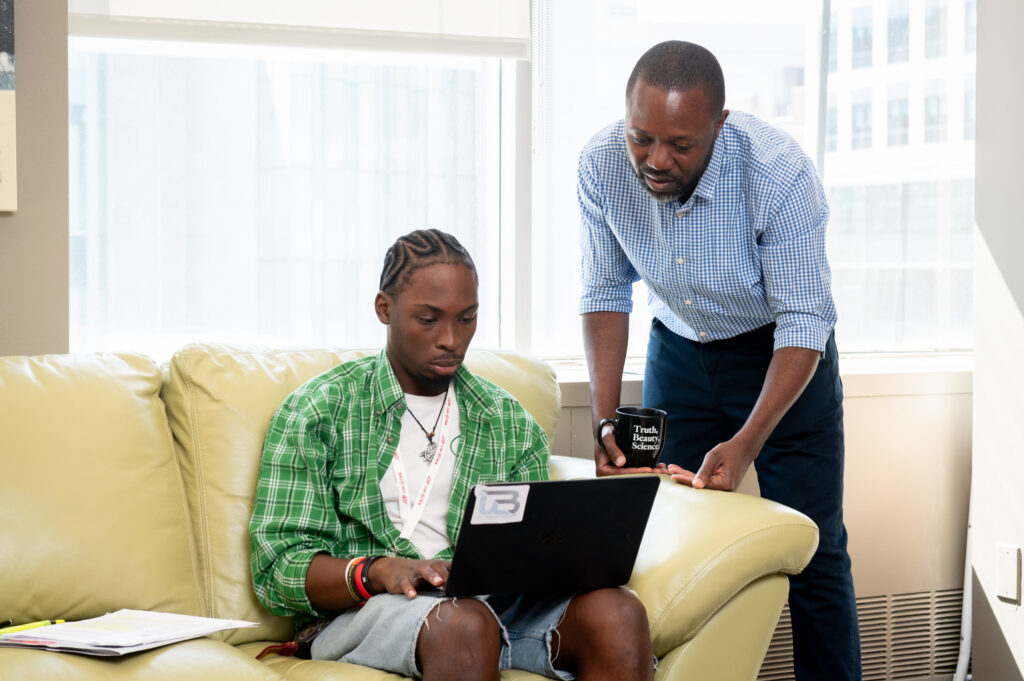
The fellowship, an incubator for early-career science journalists, provided Charles with a year of freelance experience, mentorship from media experts, and the opportunity to pitch his story to news leaders, including Kytja Weir, national editor at KFF Health News in Washington, D.C. Weir worked closely with Charles to guide him through the publication process.
“I learned a lot about the process of getting a story from an idea to a finished product,” Charles said. “We learned how to vet sources, pitch our work, and collaborate closely with editors. It helped me understand what it means to be a freelance writer.”
The hard work paid off. After CBS News picked up the story from KFF, the article has been published or referenced by nearly 200 news platforms, including the Sun Sentinel, Orlando Sentinel, Miami Herald, Bradenton Herald, The Charlotte Observer, Fort Worth Star-Telegram, The Virginian-Pilot, Yahoo, MSN, NewsBreak, and Medscape.
“It’s been rewarding to see Jonathan come into his own as a journalist who can cover any beat, including science,” said Ashley Smart, associate director of the Knight Science Journalism Program at MIT. “His story about hurricanes and mold shows how science impacts everyday people. From the day Jonathan showed up at our fellowship program, we were blown away by his passion, drive, and curiosity. It’s so gratifying to see his hard work pay off.”
Charles’s dedication also stands out in the classroom. His curiosity impressed SJGC Professor Jeffrey Wilkinson, who teaches international issues and media, and led him to apply for the FAMU CO.STARTERS entrepreneurship incubator at the FAMU Innovation Center, after learning of his desire to launch an LLC focused on media.
“The amazing thing about Jonathan is that he is inquisitive about everything. Every answer leads to another question, and more answers, until he unlocks the puzzle for himself. That approach will take him far, both professionally and in life,” said Wilkinson, who is also a facilitator at the Innovation Center.
Charles was accepted into the program, which offered a 10-week incubator-style curriculum covering the basics of building a business, from management and marketing to legal and logistics, in collaboration with the Capital City Chamber of Commerce. As a member of the CO.STARTERS program, Charles is now connected with the Small Business Development Center at Florida A&M University, with access to resources to help his business grow alongside other Tallahassee and FAMU community business innovators.
From Paradox to Purpose
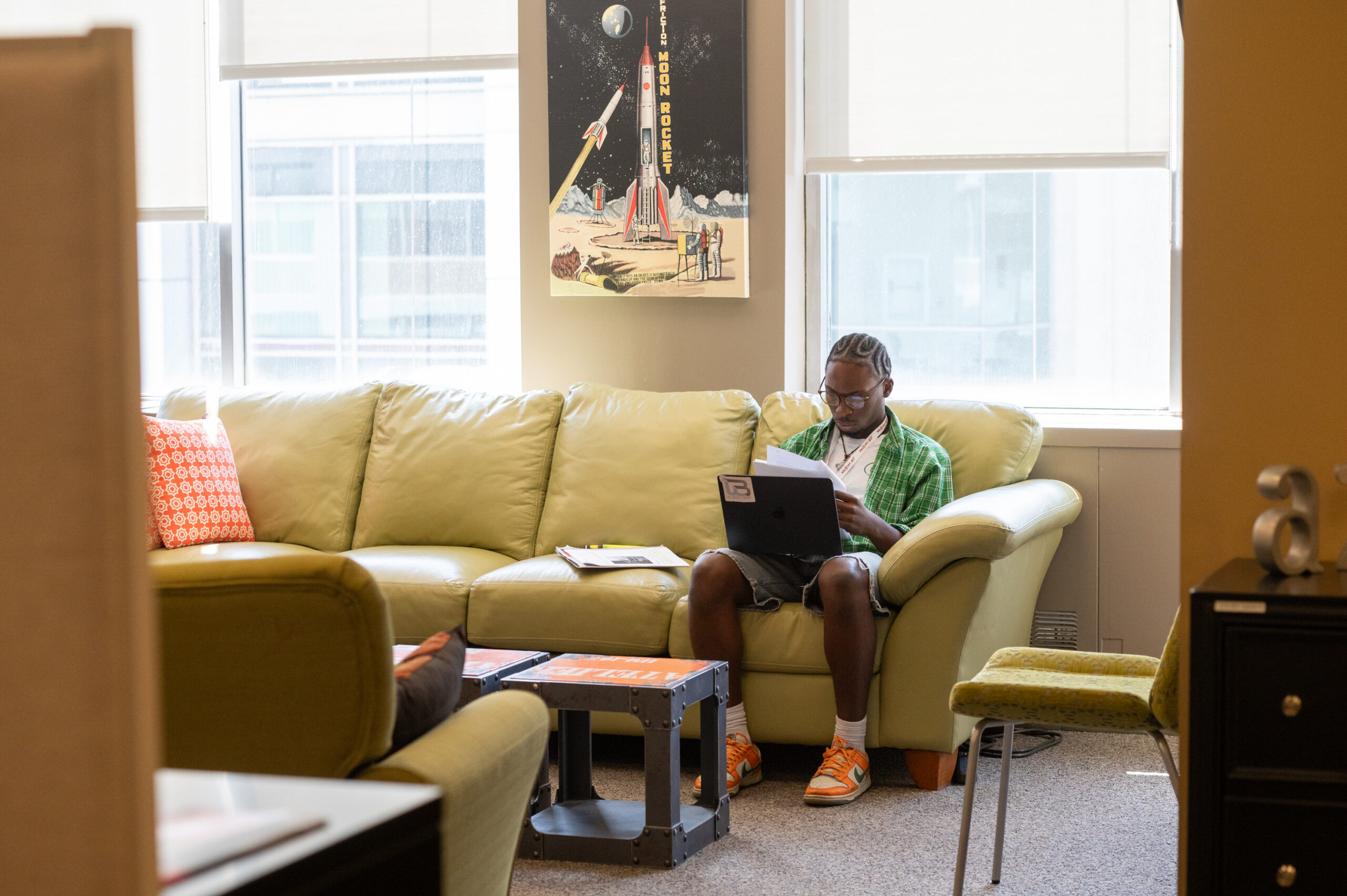
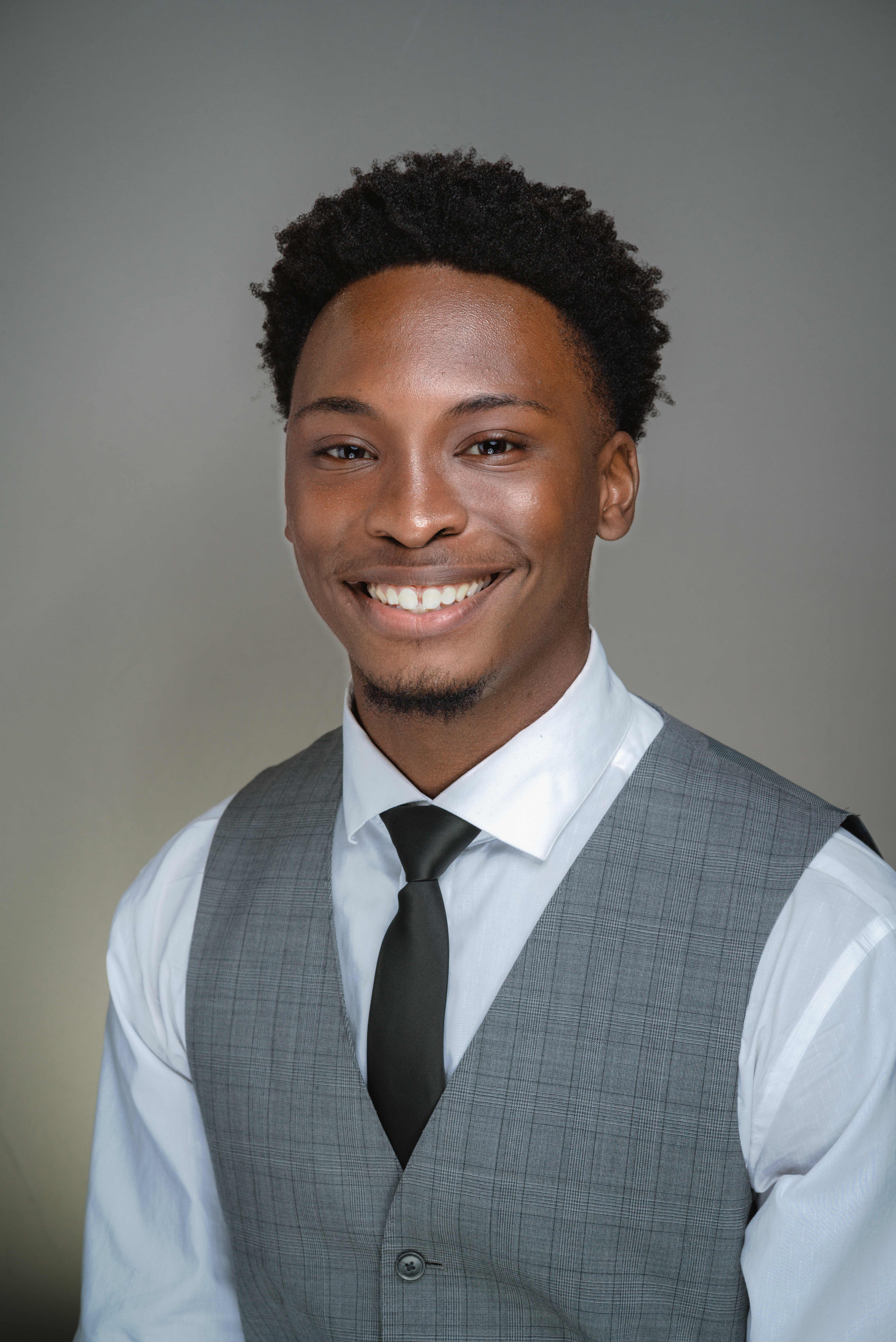
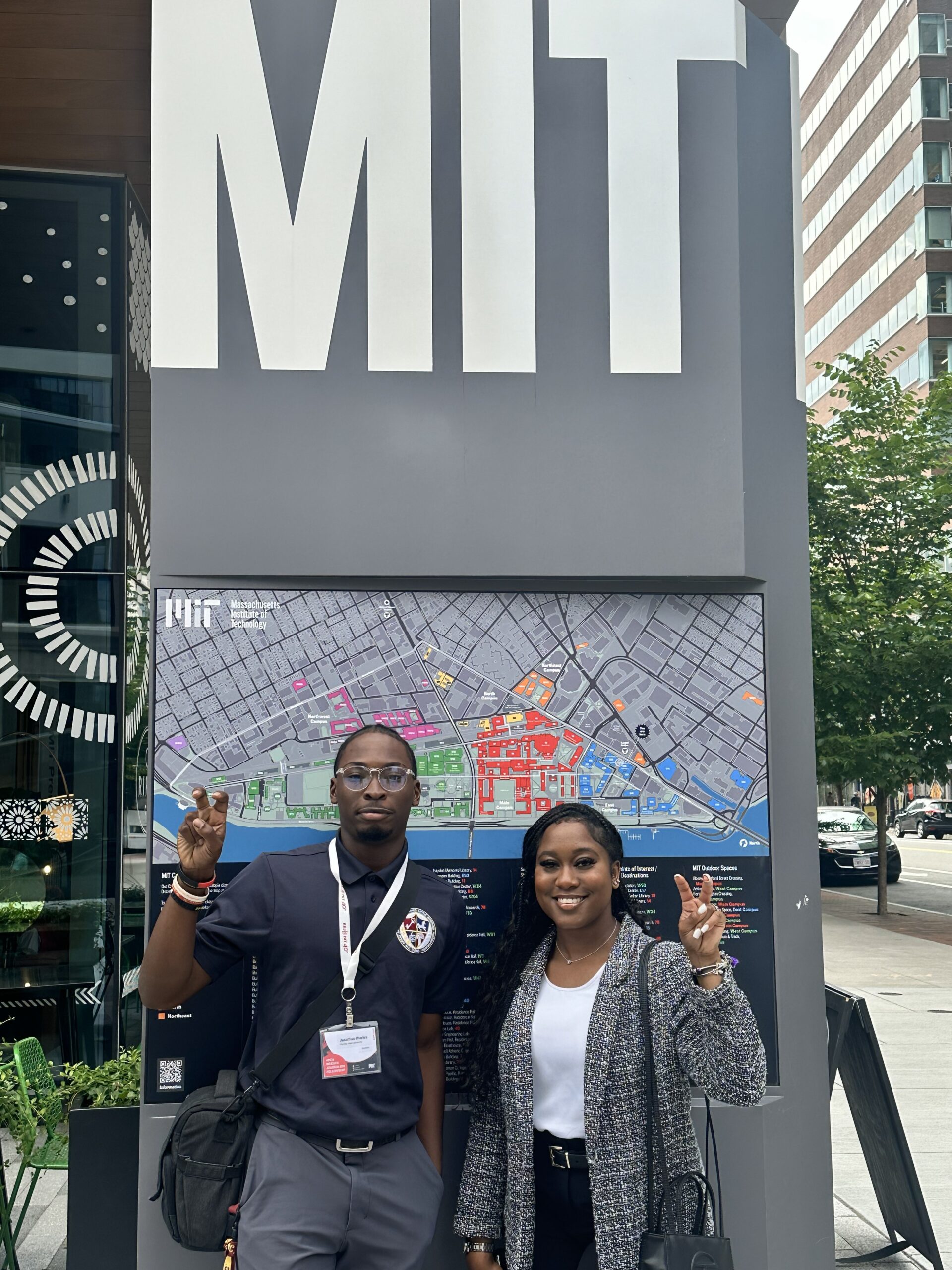
Jonathan Charles’s time at MIT, as a part of the Knight Science Journalism program, centered on deep diving into the art of story development, including research, editing, fact-checking, interviewing, and pitching.
Inspired by his experiences, Charles launched Paradox Media Consulting LLC, a name that speaks to his against-all-odds accomplishments and journey in challenging conventional thinking. The company is a full-service media consulting firm that combines photography, videography, production, artistic expression, and writing services under one umbrella.
After completing the CO.STARTERS program, Charles earned his certificate in November, the same month his story was published by KFF Health News and CBS News — signaling his readiness to take his work and entrepreneurship to a global audience.
“Jonathan was an eager participant in the FAMU CO.STARTERS program. He often spoke about being a passionate storyteller since childhood and appears to have found his calling in journalism and in building his media company,” said Tamara Smith, director of the FAMU Innovation Center. “With his confidence and unique creativity, I’m sure he will bring many impactful projects to life for years to come.”
Charles said his next steps include continuing his freelance work and growing his business by leveraging the tools and inspiration he gained as an SJGC student.
He recently won a film grant through a Parker Dewey micro-internship with the Tallahassee Scientific Society to raise awareness of STEM resources for lower-income students in Tallahassee’s Bond Community. He has also worked as an independent contractor for the Florida Civil Rights Museum, serving as a digital media specialist for its platforms.
“One of my goals with my production company is to travel to places others don’t want to go and to tell stories that often go unheard,” Charles said. “I want to shed light on what’s happening in communities that people don’t always see — and on stories people should know about.”
See Jonathan Charles’s FAMU CO.STARTERS cohort graduation below and hear from program organizers.